
Between changing government regulations, sustainability certifications, and consumer preferences, navigating sustainability in the seafood industry can be extremely complex. But as seafood processors and retailers feel increased pressure to become more sustainable, it’s no longer a nice-to-have. Keeping up with the changing sustainability landscape is essential, but the good news is, you don’t have to do it alone.
Sealed Air’s global footprint puts us in a unique position to understand sustainability regulations in every corner of the world. Our experts are knowledgeable in more than sustainable packaging solutions – they can guide you through complex sustainability challenges like food waste, carbon emissions, consumer preferences, circularity and government regulations.
Government Regulations and Certifications
You might feel like you’re in a never-ending battle of changing government regulations – and you’re not alone. As one of the most highly traded food commodities in the world, governments are cracking down on regulations related to how seafood is caught, packaged and labelled.
Sealed Air is your trusted partner because we:
- Have over 35 years of experience in seafood packaging
- Have a global footprint that keeps us up to date on local regulations
- Are a pioneer developer of compliant oxygen-transmission rate films for seafood
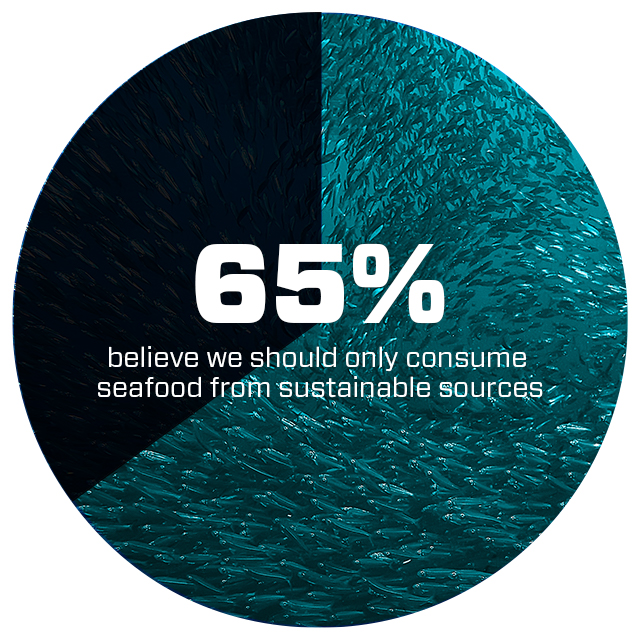
Source: SeafoodSource
Consumer Seafood Sustainability Preferences
Sustainability continues to be a hot topic and seafood consumers expect the industry to take a sustainable approach to protect both the planet and people.
More consumers are asking for sustainably caught seafood. And due to a desire for more information about sustainable practices and verification of sustainability claims, consumers overwhelmingly support seafood traceability.
It’s not just the salmon or tuna that consumers want to be sustainable, though. There’s also an increased preference for more sustainable packaging like:
- Fibre-based solutions
- Mono PET
- Downgauged solutions
Sealed Air’s market insights team makes it easy to navigate consumer preferences by conducting consumer research and market insights that give you in-depth knowledge of a full range of consumer preferences in the seafood industry.
Food Waste and Loss
Retail shrink doesn’t need to be accepted as “just the cost of doing business.” Retailers often report throwing out an average of 5 to 20 percent of all products from refrigerated cases. Exposing seafood to elements like light and oxygen trigger the oxidation process, expediting food loss and waste.
Solutions like better temperature control and traceability are necessary, but one of the best ways to reduce food waste and loss is by protecting seafood using the proper packaging.
Sealed Air has solutions that:
- Extend the shelf-life of products
- Improve food handling
- Reduce cross-contamination
- Minimise oxidation
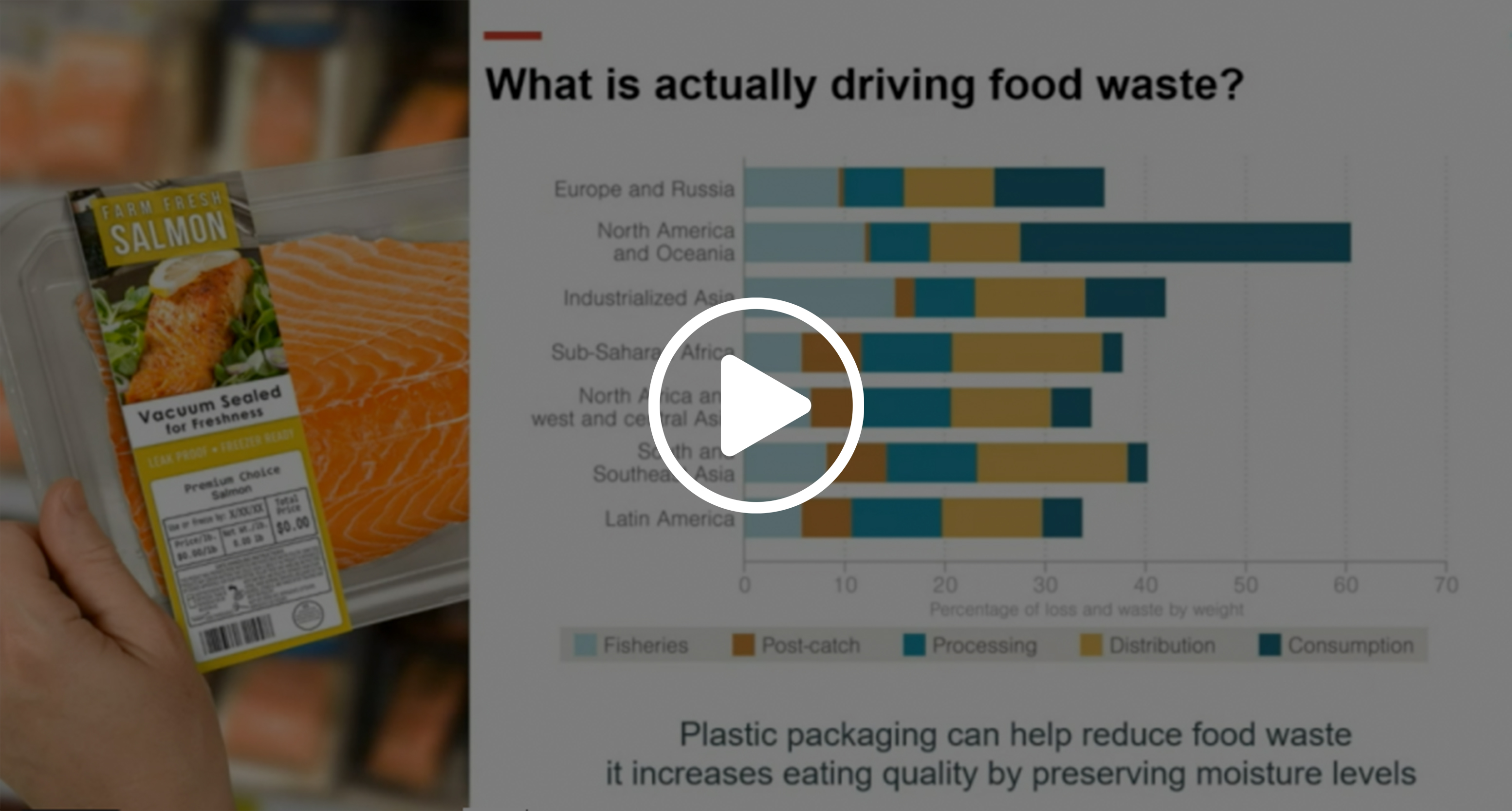
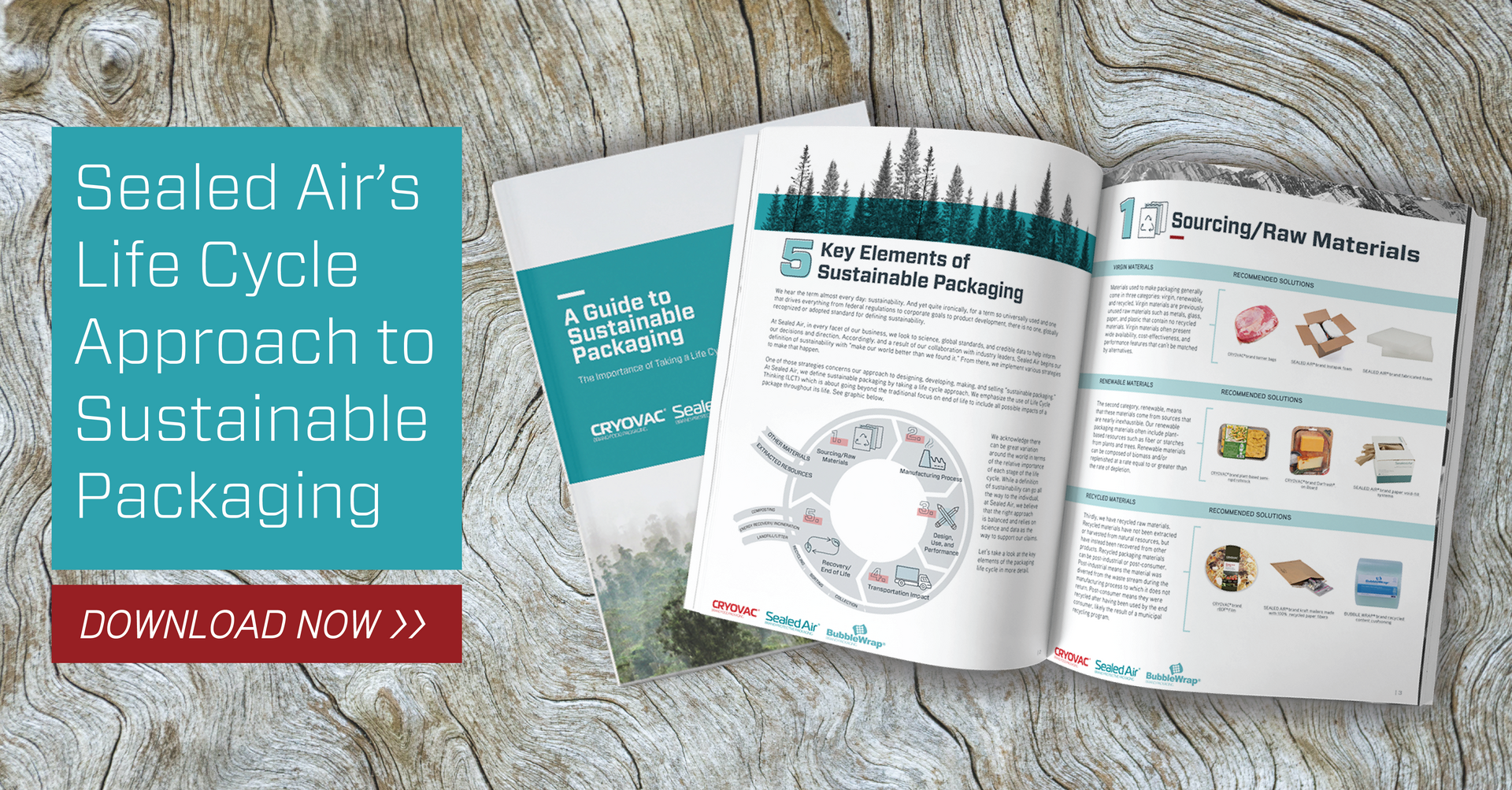
As a seafood processor, there are countless opportunities to implement more sustainable practices. In this webinar, we explore sustainability topics like seafood waste, carbon emissions, packaging footprint and consumer preferences. Learn how to better serve your customers while protecting the environment through sustainable packaging and processes.
Sustainability in Seafood
Sustainable Seafood Packaging
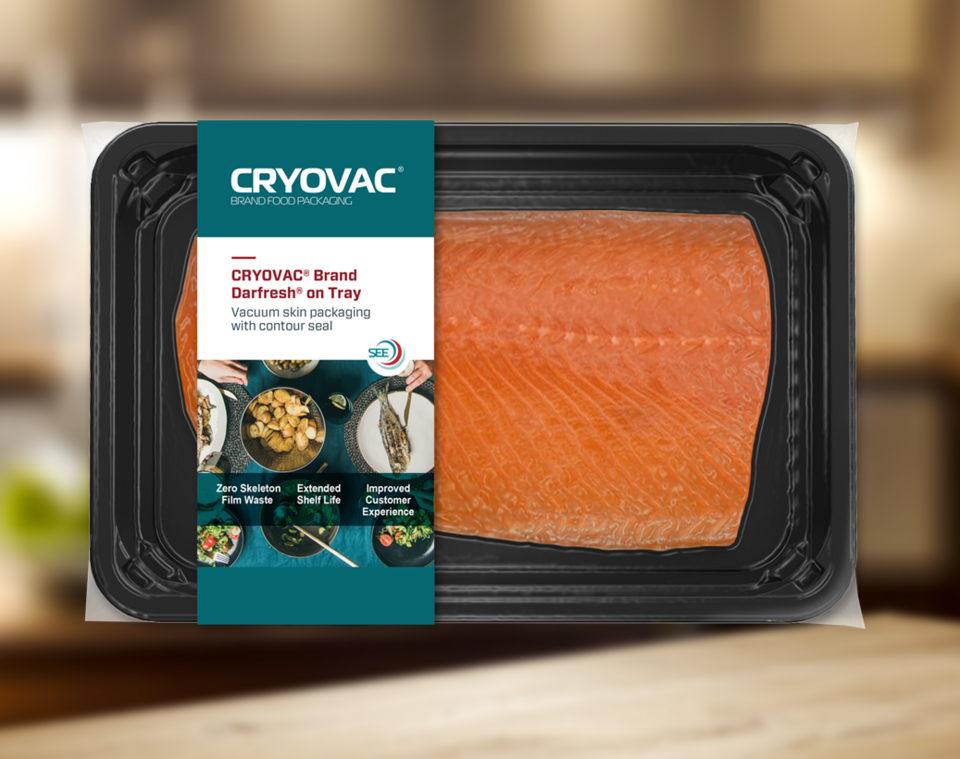
Vacuum Skin Film
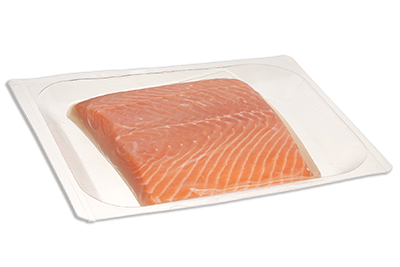
Tray Lid Film
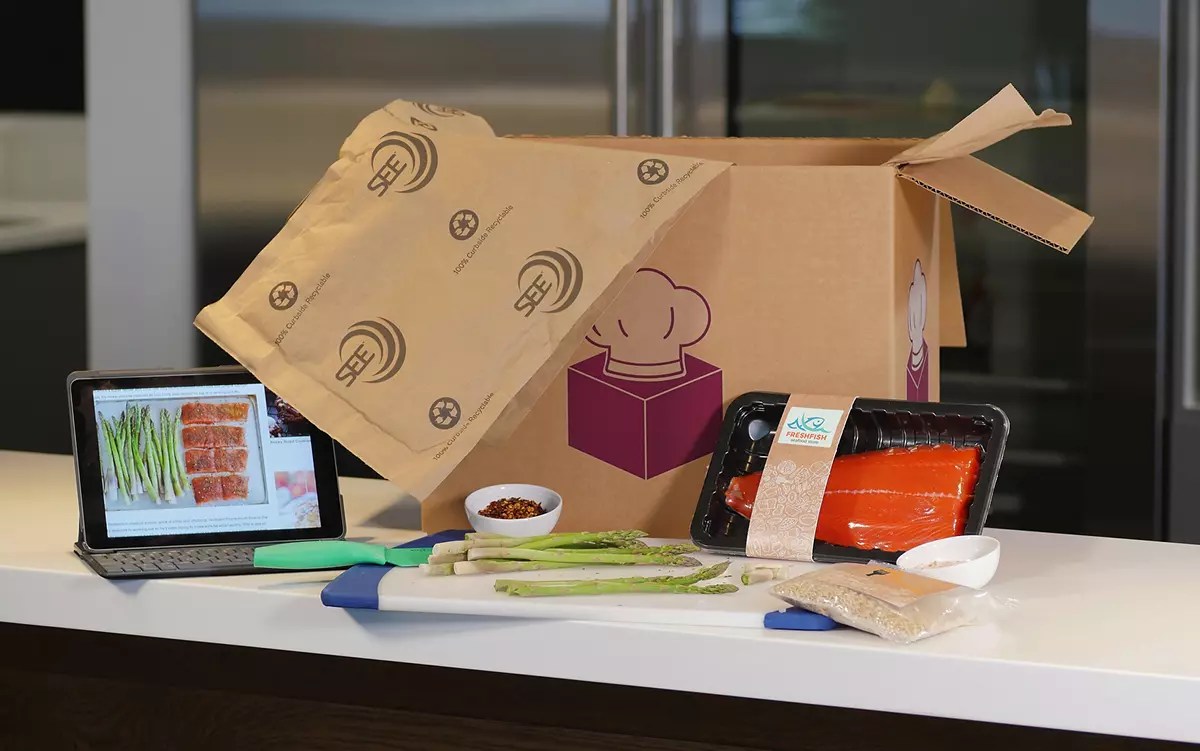
TempGuard Insulated Liners