Linkedin
youtube

Country

Select Country

Choose your country

  • Afghanistan

  • Aland Islands

  • Albania

  • Algeria

  • America (USA)

  • Angola

  • Antigua and Barbuda

  • Argentina

  • Australia

  • Austria

  • Azerbaijan

  • Bahamas

  • Bahrain

  • Bangladesh

  • Barbados

  • Belarus

  • Belgium

  • Belize

  • Benin

  • Bhutan

  • Bolivia

  • Bosnia and Herzegovina

  • Botswana

  • Brazil

  • Bulgaria

  • Burkina Faso

  • Burundi

  • Cabo Verde

  • Cambodia

  • Cameroon

  • Canada

  • Cape Verde

  • Central African Republic

  • Chad

  • Chile

  • China

  • Colombia

  • Comoros

  • Costa Rica

  • Croatia

  • Cyprus

  • Czech Republic

  • Côte d’Ivoire

  • Democratic Republic of the Congo

  • Denmark

  • Djibouti

  • Dominica

  • Dominican Republic

  • Ecuador

  • Egypt

  • El Salvador

  • Equatorial Guinea

  • Eritrea

  • Estonia

  • Eswatini

  • Ethiopia

  • Finland

  • France

  • Gabon

  • Gambia

  • Georgia

  • Germany

  • Ghana

  • Greece

  • Greenland

  • Grenada

  • Guatemala

  • Guinea

  • Guinea-Bissau

  • Guyana

  • Haiti

  • Honduras

  • Hong Kong

  • Hungary

  • Iceland

  • India

  • Indonesia

  • Ireland

  • Isle of Man

  • Israel

  • Italy

  • Ivory Coast

  • Jamaica

  • Japan

  • Jordan

  • Kazakhstan

  • Kenya

  • Kiribati

  • Kosovo

  • Kuwait

  • Kyrgyzstan

  • Laos

  • Latvia

  • Lebanon

  • Lesotho

  • Liberia

  • Libya

  • Liechtenstein

  • Lithuania

  • Luxembourg

  • Madagascar

  • Malawi

  • Malaysia

  • Maldives

  • Mali

  • Malta

  • Marshall Islands

  • Mauritania

  • Mauritius

  • Mexico

  • Micronesia

  • Moldova

  • Monaco

  • Mongolia

  • Montenegro

  • Morocco

  • Mozambique

  • Myanmar

  • Namibia

  • Nauru

  • Nepal

  • Netherlands

  • New Zealand

  • Nicaragua

  • Niger

  • Nigeria

  • North Macedonia

  • Norway

  • Oman

  • Pakistan

  • Palau

  • Palestine

  • Panama

  • Papua New Guinea

  • Paraguay

  • Peru

  • Philippines

  • Poland

  • Portugal

  • Qatar

  • Republic of the Congo

  • Romania

  • Russia

  • Rwanda

  • Saint Kitts and Nevis

  • Saint Lucia

  • Saint Vincent and the Grenadines

  • Samoa

  • Sao Tome and Principe

  • Saudi Arabia

  • Senegal

  • Serbia

  • Seychelles

  • Sierra Leone

  • Singapore

  • Slovakia

  • Slovenia

  • Solomon Islands

  • Somalia

  • South Africa

  • South Korea

  • South Sudan

  • Spain

  • Sri Lanka

  • Sudan

  • Suriname

  • Sweden

  • Switzerland

  • Syria

  • Taiwan

  • Tajikistan

  • Tanzania

  • Thailand

  • Timor-Leste

  • Togo

  • Tonga

  • Trinidad and Tobago

  • Tunisia

  • Turkey

  • Turkmenistan

  • Tuvalu

  • Türkiye

  • Uganda

  • Ukraine

  • United Arab Emirates

  • United Kingdom

  • Uruguay

  • Uzbekistan

  • Vanuatu

  • Vatican City

  • Venezuela

  • Vietnam

  • Zambia

  • Zimbabwe

Select Language

Choose your language

  • Select a country first

Home Resources Blogs Sustainability in Seafood: Emphasized Demands and Redefined Standards

Sustainability in Seafood: Emphasized Demands and Redefined Standards

close up blue water surface at deep ocean

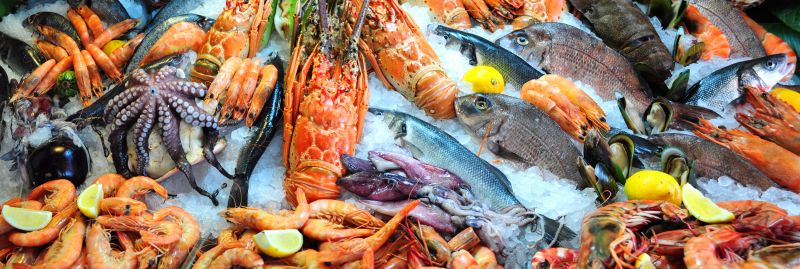
Now more than ever, consumers around the world are becoming aware of the sustainability impact of aquaculture, more commonly known as seafood processing. In fact, a recent survey conducted by the Aquaculture Stewardship Council (ASC) reveals that most consumers have little preference between farmed or wild seafood, but significant concerns exist about long-term sustainability efforts within the industry.

Don’t Risk Avoiding Sustainable Practices

Like many other forms of food production, seafood processing presents its own inherent risks that range from harvesting and ecosystems to packaging and consumption. Consumers say they are most concerned about the public health and environmental impacts of seafood processing. Simply put, most consumers want to know where their seafood is caught, what standards are in place to regulate it, and how sustainable the packaging material is.

Today, the United States imports 85 to 95 percent of its seafood from foreign suppliers, but some countries lack specific standards for health safety and environmental protection. The United States Food & Drug Administration (USFDA) has implemented a range of regulations for seafood to ensure that consumer demands are met, businesses continue to thrive, and food safety protocols are enforced all while aiming to reduce the industry’s environmental impact.

Sustainable Packaging Solutions That Meet Consumer Demands

The COVID-19 pandemic has swiftly altered global consumer behavior, particularly the way individuals think about packaging. It comes as no surprise that consumers now emphasize a desire for more sustainable packaging solutions such as fiber-based materials and recycled plastic content. A substantial portion of consumers also indicate they are more willing to pay more for seafood if it is processed sustainably over the long term with appropriately labeled packaging.

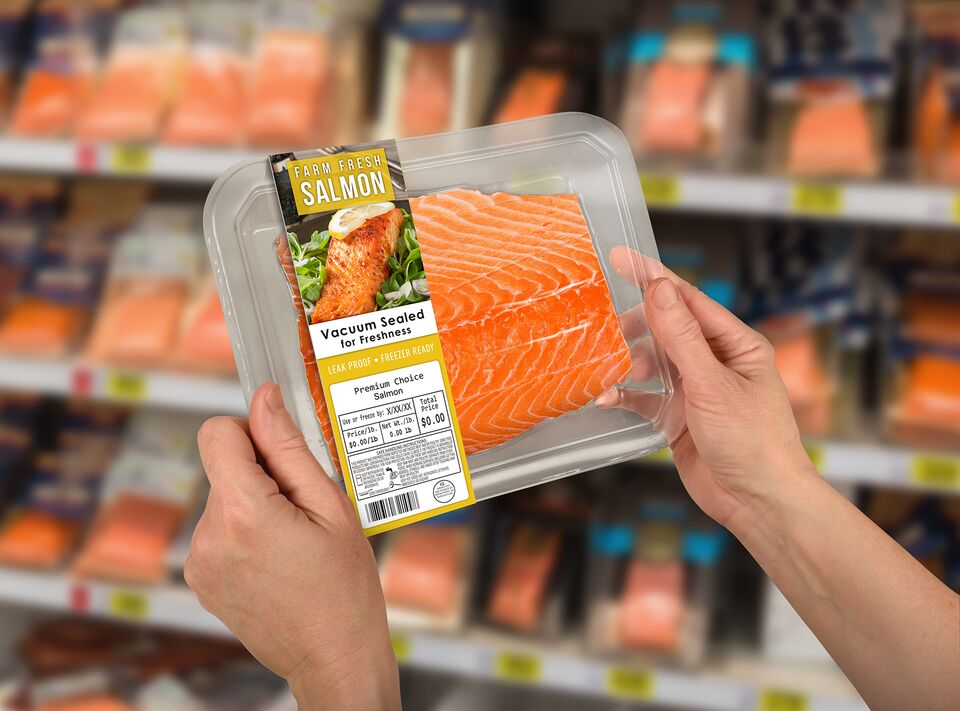
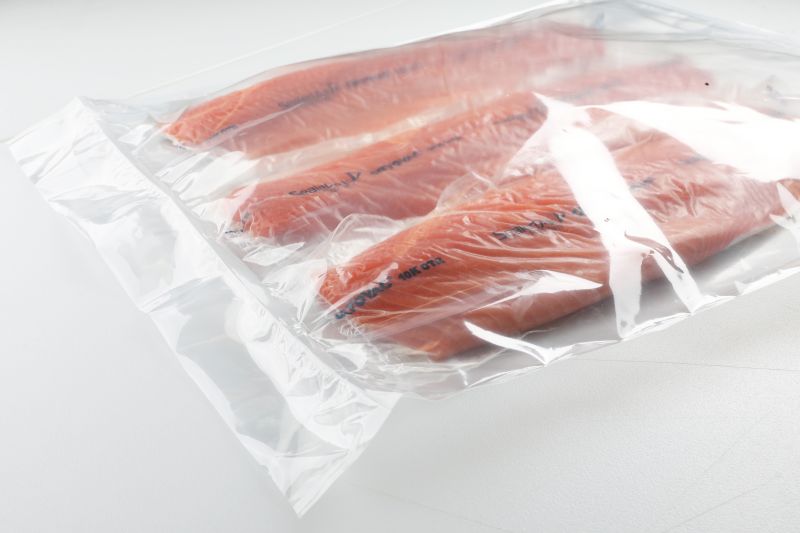
As the leader in food packaging innovations, CRYOVAC® brand helps seafood processors reduce their environmental impact with fiber-based material options, like non-barrier vacuum bags and Darfresh® vacuum skin film. These innovative materials meet all USFDA food safety guidelines for oxygen transmission rate (OTR) and greatly enhance brand presence on the retail shelf. Paired with CRYOVAC® brand automated equipment, these cutting-edge solutions create a flawless finished package that produces minimal waste to further improve an operation’s sustainability footprint.
cta-paatern-bg

Get Started With Sealed Air

Thank you for reaching out. We’ve received your information and will respond shortly. We appreciate your interest in Sealed Air.