


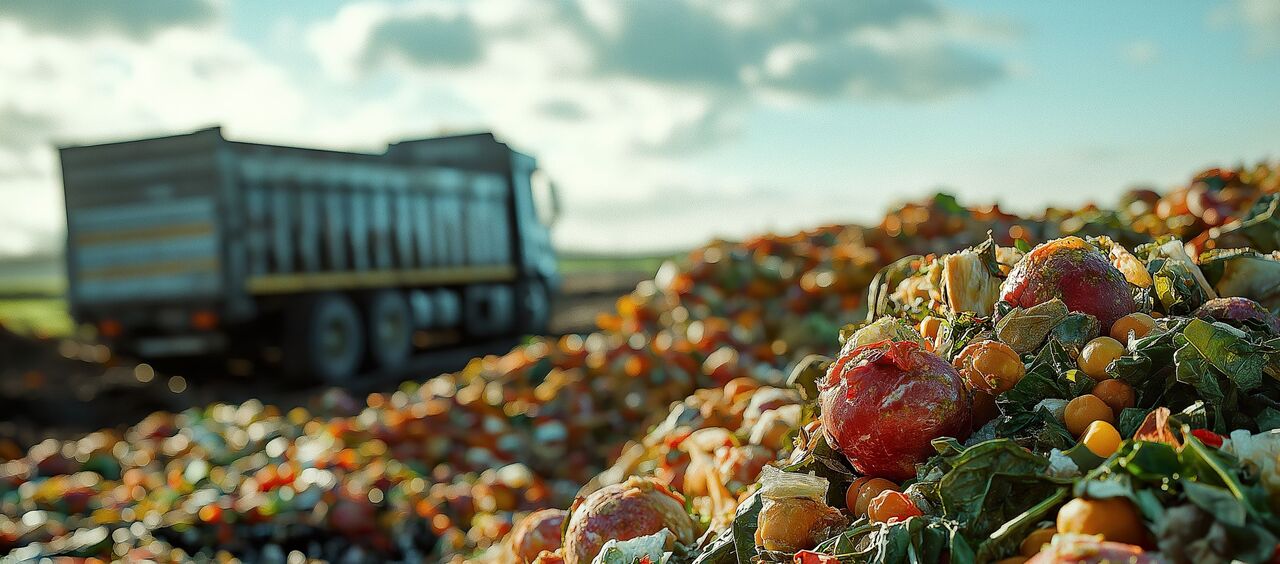


How Packaging Lowers the Environmental Impact of Food Waste
When we talk about sustainability, many focus on subjects like reducing plastic waste or recycling, but an often-overlooked topic is the impact of food waste on the environment, and role of packaging in preventing it.
Environmental Impact of Food Waste
Food waste is not just a matter of economic loss; it has severe environmental repercussions. Effective packaging is a crucial tool in preventing food from going bad prematurely, saving resources, and reducing greenhouse gas emissions.
The two primary environmental costs of food waste are:
- Resource Wastage: Producing food requires vast amounts of water, land, energy, and labor. When food is wasted, these resources are squandered, leading to environmental and biodiversity degradation as well as financial loss.
- Greenhouse Gas Emissions: Decomposing food in landfills releases methane, a greenhouse gas over 25 times more potent than carbon dioxide in warming potential. Globally, food waste accounts for about 8-10% of total greenhouse gas emissions.
The Critical Role of Packaging
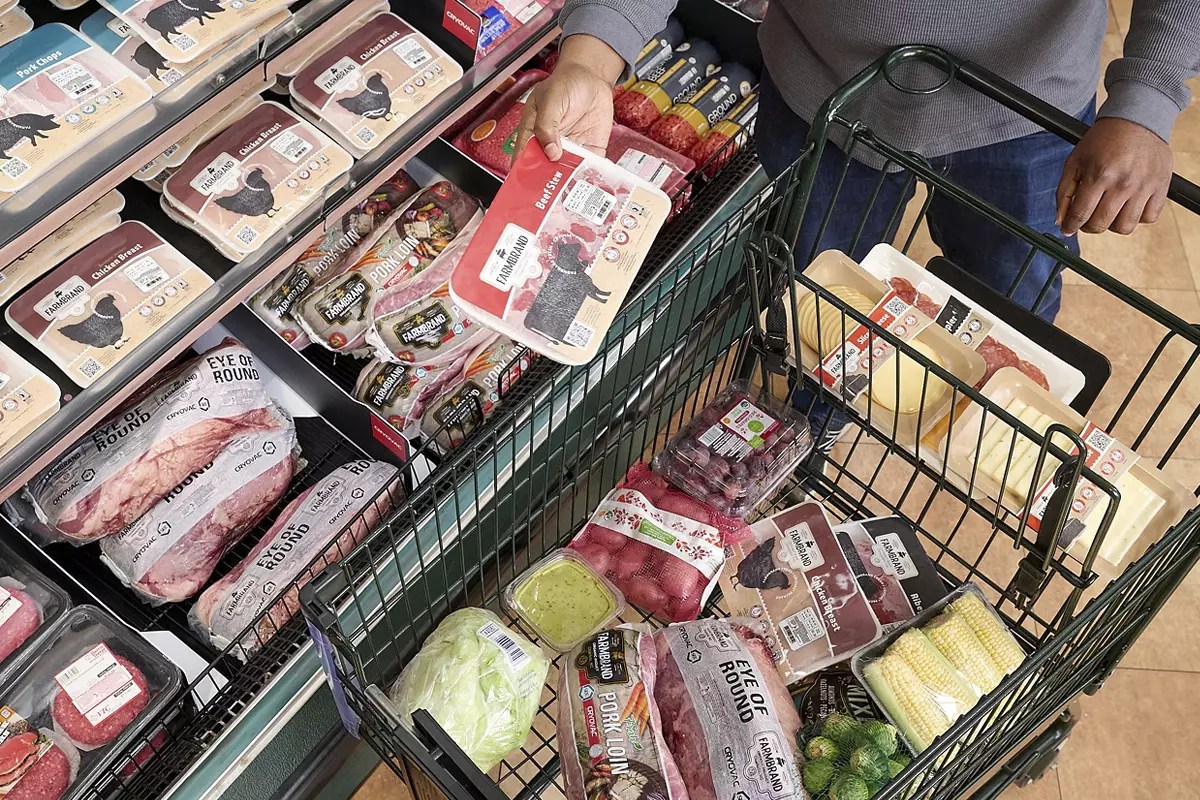
Packaging serves as a frontline defense in the fight against food waste. Its primary functions include protecting food from physical damage, contamination, and spoilage, thereby extending shelf life and ensuring safety.
- Barrier Protection: Effective packaging provides a barrier against moisture, oxygen, light, and pathogens—factors that accelerate spoilage.
- Convenience and Portion Control: Proper packaging enables consumers to purchase and store food in manageable quantities, reducing impulsive buying and over-purchasing that often leads to waste.
- Transparency and Information: Clear labels about storage and freshness help consumers make informed decisions, reducing the likelihood of unnecessary disposal.
- Innovative Materials: Advances in compostable, biodegradable, or recyclable packaging materials reduce environmental impact while maintaining food integrity.
Plastic and More: Sustainable Packaging Solutions
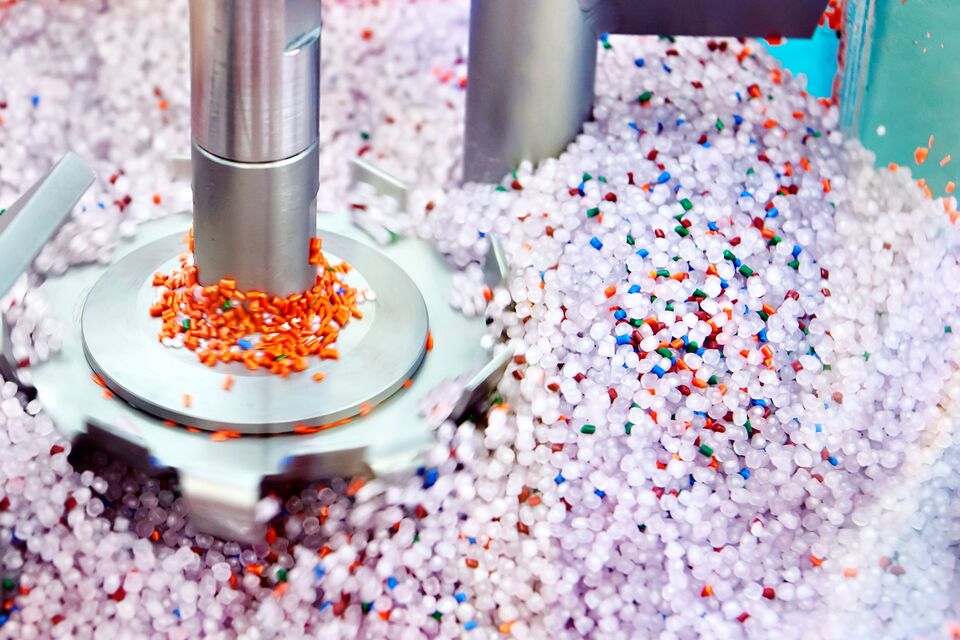
With properties that include barrier protection, flexibility, and light weight, plastic packaging is widely used for food packaging. And while it remains the gold standard to extend food shelf life and reduce waste, plastic presents certain environmental challenges related primarily to a lack of recycling infrastructure.
At CRYOVAC® we believe the ideal approach is to use the right material for the performance needed, and wherever possible, to consider sustainable alternatives, such as biodegradable polymers, paper-based materials, and compostable packaging to help reduce waste and environmental footprint. Given the role of food waste in the creation of methane, we also contend that the continued use of plastic in food packaging is also a sustainable option, especially as the plastic recycling infrastructure expands.
Food waste is not just a matter of economic loss; it has serious environmental repercussions. Effective packaging is a crucial tool in preventing food from going bad prematurely, saving resources, and reducing greenhouse gas emissions. By investing in innovative, sustainable packaging solutions, we can significantly diminish the environmental cost of food waste and move toward a more sustainable food system.
Call us today to get started.

Connect With Us
Get answers to common questions about our company, products, services, and beyond by filling out the form below. A dedicated representative will contact you soon to better understand and address your specific needs..
Your Details