




How Automation is Transforming the U.S. Meat Processing Industry
The labor shortage in the U.S. meat processing industry poses a significant and ongoing challenge, impacting every level of the supply chain from production to consumer prices. Recent years have seen this issue escalate due to an aging workforce, high turnover rates, shifts in immigration policies, and recruitment difficulties.
Industry estimates indicate that 63% of processors have been forced to significantly increase compensation, while 45% have required existing employees to work extra overtime, leading to higher operational costs. The inability to run plants at full capacity or pursue new business opportunities results in lost revenue, ultimately driving up consumer prices for beef, pork, and poultry.
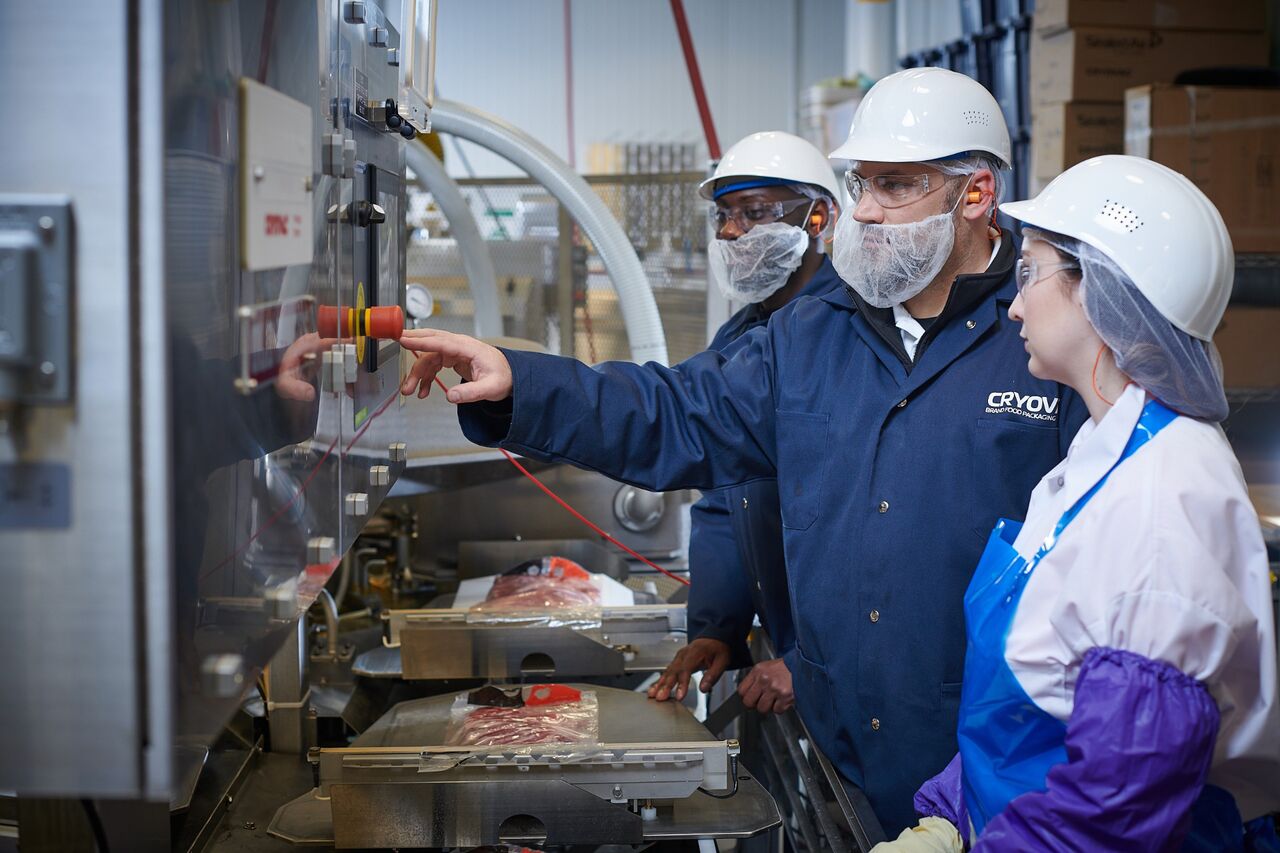
Fortunately, many processors are effectively addressing labor shortages through automation. By taking on repetitive, physically demanding, and hazardous tasks, automation helps streamline operations and improve workforce stability. Here are some of the key ways automation is aiding processors in overcoming labor challenges:
Handling Difficult-to-Staff Roles: Automation technologies, such as robotic palletizers, are employed in labor-intensive areas like packaging, sorting, and deboning; roles often plagued by high employee turnover due to harsh working conditions.
Improving Worker Safety and Reducing Burnout: By assuming hazardous tasks that lead to injuries and fatigue, automation enhances workplace safety and creates a more appealing environment for employees. This can decrease absenteeism and improve retention rates among the current workforce.
Increasing Efficiency and Throughput: Automated systems operate continuously, 24/7, without suffering from fatigue, breaks, or sick leave, ensuring a consistent and reliable production flow that human labor alone can’t always maintain.
Maximizing Existing Workforce Potential: Rather than merely replacing workers, automation serves as a “force multiplier,” enabling a smaller, specialized workforce to achieve greater output while concentrating on tasks that require human judgment, complex problem-solving, and quality control.
Enhancing Food Safety and Quality: Automation limits direct human contact with meat products, which reduces contamination risk and improves hygiene standards—a vital component for business continuity and regulatory compliance.
Enabling Workforce Upskilling: The integration of robotics generates demand for new, higher-skilled positions in the operation, maintenance, and programming of automated systems. Companies can invest in employee training, transitioning existing workers into more technical, higher-paying roles.
As automation continues to transform the meat processing landscape, it offers a path forward for addressing labor shortages while improving operational efficiency and safety. Ready to revolutionize your meat processing operations? CRYOVAC® specializes in automated packaging solutions that can enhance efficiency, safety, and employee satisfaction. Contact us today for a consultation!



Connect With Us
Get answers to common questions about our company, products, services, and beyond by filling out the form below. A dedicated representative will contact you soon to better understand and address your specific needs..
Your Details