


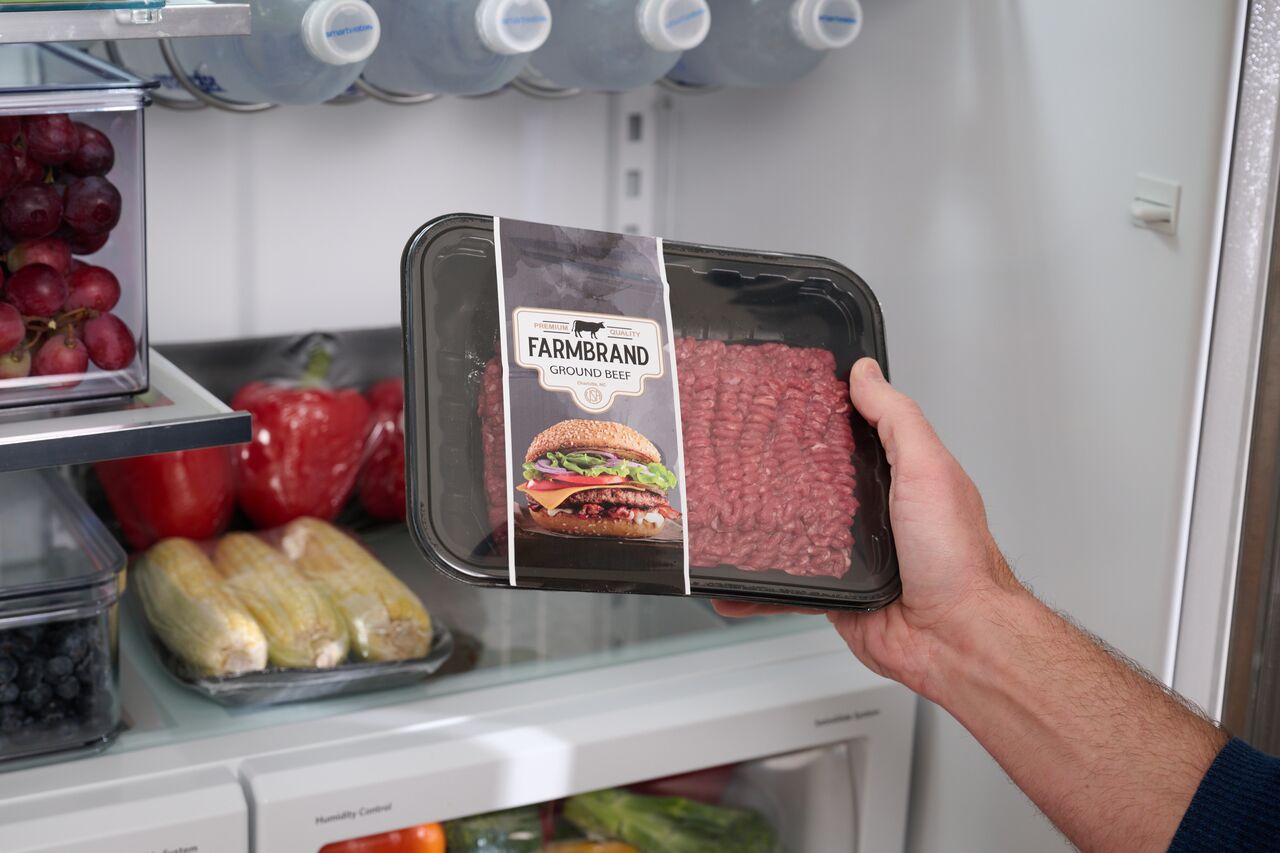


Comparing Modified Atmosphere Packaging (MAP) and Vacuum Skin Packaging (VSP) for Meat
Packaging plays a crucial role in preserving the freshness, safety, and appeal of meat products. Among the most popular methods are modified atmosphere packaging (MAP) and vacuum skin packaging (VSP). While both aim to extend shelf life and protect the product, each offers unique advantages suited to different retail and consumer needs.
What Is Modified Atmosphere Packaging (MAP)?
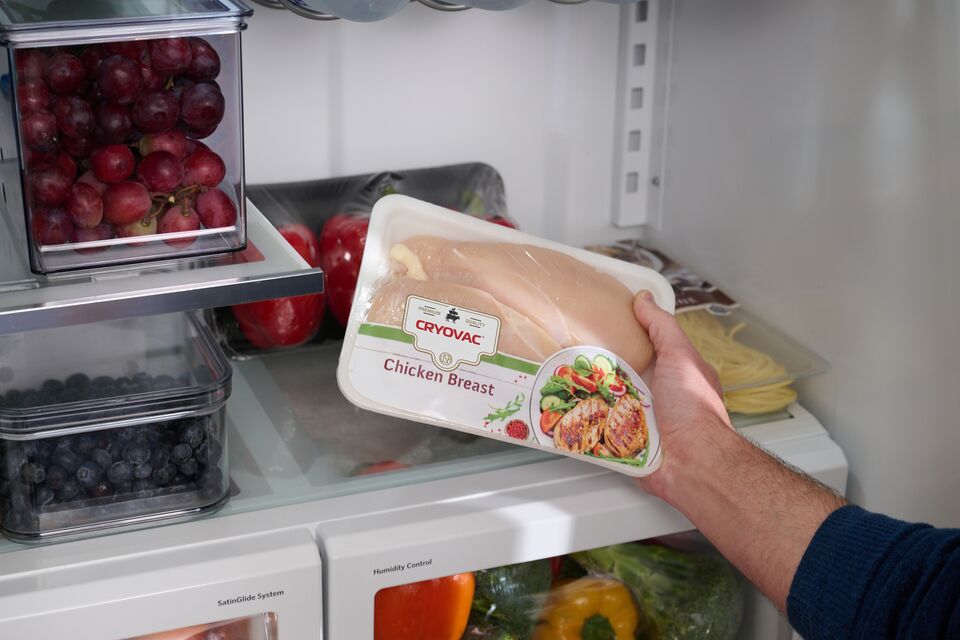
MAP consists of a sturdy, food-safe base made from materials like polyethylene (PET), polypropylene (PP), or recyclable rigid plastics, that is sealed with a clear barrier film lid. Meat is placed into the base and before sealing, a specific gas mixture (CO₂, N₂, O₂) is introduced. The lid is then heat-sealed to create a hermetic environment, and sealed trays are sometimes shrink-wrapped for additional security and visual appeal. Trays are increasingly being designed with sustainability in mind, using materials that are recyclable or designed to be compostable.
What Is Vacuum Skin Packaging (VSP)?
VSP consists of several key components designed to create a tight, skin-like seal around the product. The primary component is the specialized film, typically made from multilayer plastics with high barrier properties to prevent oxygen and moisture transmission. This film is very thin, flexible, and capable of conforming closely to the surface of the meat. The other essential component is the sealing system, which applies heat and pressure to bond the film securely to itself or a base such as a board or tray. In some cases, intra-package oxygen absorbers or scavengers are incorporated or added separately to further inhibit microbial growth and prolong freshness.
Key Comparisons MAP vs. VSP Meat Packaging
| Feature | MAP | VSP |
| Shelf Life | Extended through gas control; effective for various cuts | Longer than MAP due to near-total oxygen removal |
| Visual Appeal | Good, transparent packaging | Excellent, tight conforming skin effect |
| Material Efficiency | Usually involves multi-layer plastics; moderate use | Thinner films, less total material with specialized layers |
| Recyclability | Can be challenging, depending on materials used | Can be difficult based on use of multilayer films and barrier materials |
| Cost | Generally lower, suitable for large-scale production | Higher, suited for premium or delicate products |
| Suitability | Versatile for many cuts, cost-effective | Ideal for premium cuts and retail displays |
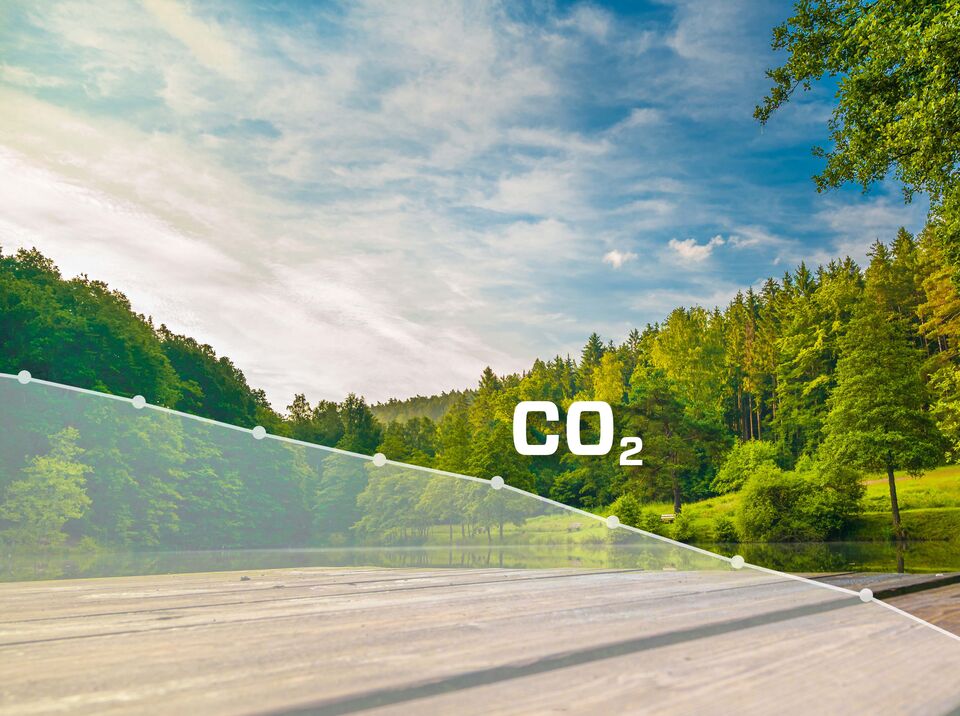
As sustainability concerns regarding food packaging continue, innovation in recyclable and biodegradable films for both methods will be crucial to balancing environmental impact with product quality.
So, which is better – MAP or VSP? The answer lies in which type is better suited to your needs. When making the choice, remember: CRYOVAC® is a global leader in both packaging formats. You can count on us to help you explore the options and make the right decision for your business. Call us today!

Connect With Us
Get answers to common questions about our company, products, services, and beyond by filling out the form below. A dedicated representative will contact you soon to better understand and address your specific needs..
Your Details