


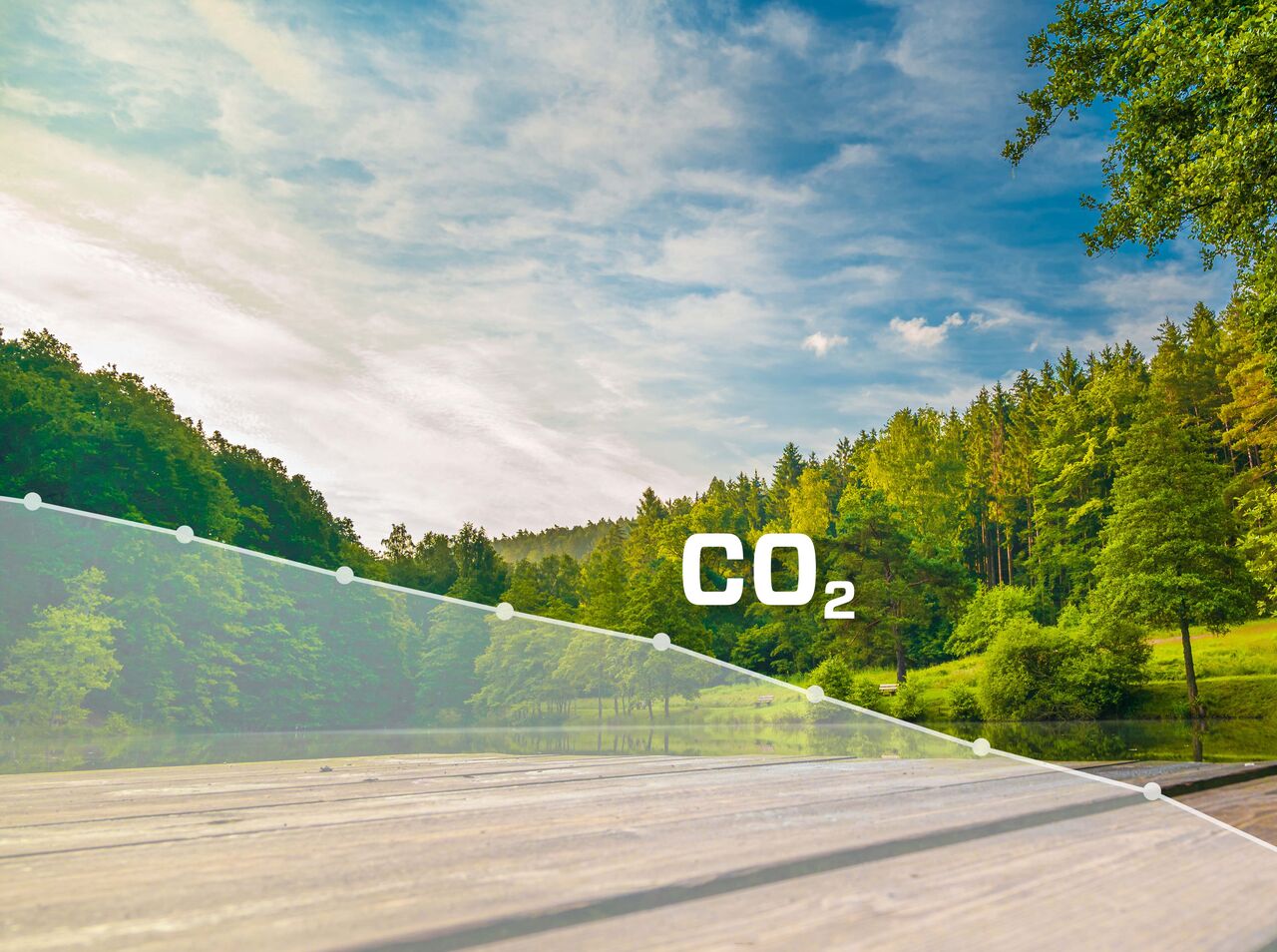


Understanding the Full Environmental Impact of Plastic Packaging
In today’s sustainability conversations, reducing plastic use is often highlighted as a crucial step toward decreasing ocean pollution and conserving resources. While these goals are important, it’s equally vital to understand the bigger environmental picture—specifically, the carbon footprint of plastic packaging and its role in food preservation.
Plastic’s Minimal Carbon Impact
Many people assume that plastic packaging contributes significantly to greenhouse gas emissions. However, when looking at the entire lifecycle and global carbon emissions, the impact of plastic packaging is relatively minor.
Not only have modern manufacturing processes become more efficient, but the lightweight nature of plastic packaging also means less energy is required for transportation. Research confirms that a reduction in package weight does in fact lead to decreased emissions, which impacts both incoming and outgoing supply chains.
The Role of Plastic in Food Waste Prevention
Perhaps the most compelling environmental benefit of plastic packaging is its ability to extend the shelf life of food. When food waste is disposed of in landfills and buried with other waste, anaerobic conditions produce biogas, which is roughly 50-60% methane.
Methane has a Global Warming Potential (GWP) more than 80 times more potent than CO₂ over a 20-year period, so preventing the introduction of methane into the atmosphere by limiting food waste has profound environmental implications.
No other material protects food better than plastic from farms and processors to stores and households. Multi-layer films with barrier properties (like EVOH, nylon, or PET layers) are highly effective at blocking oxygen, moisture, and contaminants. Vacuum skin packaging and other modified atmosphere packaging (MAP) also provide superior preservation.
Balancing Sustainability Goals
As a packaging innovator, CRYOVAC® develops solutions that support both environmental health and food security. This means focusing on integrating recycled content, designing for recyclability, and utilizing materials that provide the necessary barrier properties without unnecessary waste.
While reducing plastic use remains a critical part of the sustainability agenda, it’s essential to weigh the complete environmental impact—including the benefits of plastic’s role in reducing food waste. By adopting a balanced approach, we can create packaging solutions that protect our planet and ensure food safety for generations to come.
Let’s work together for smarter, more sustainable packaging. Contact Us today to learn more.

Connect With Us
Get answers to common questions about our company, products, services, and beyond by filling out the form below. A dedicated representative will contact you soon to better understand and address your specific needs..
Your Details