




How Automation Enhances Efficiency, Environment, and Workforce Development
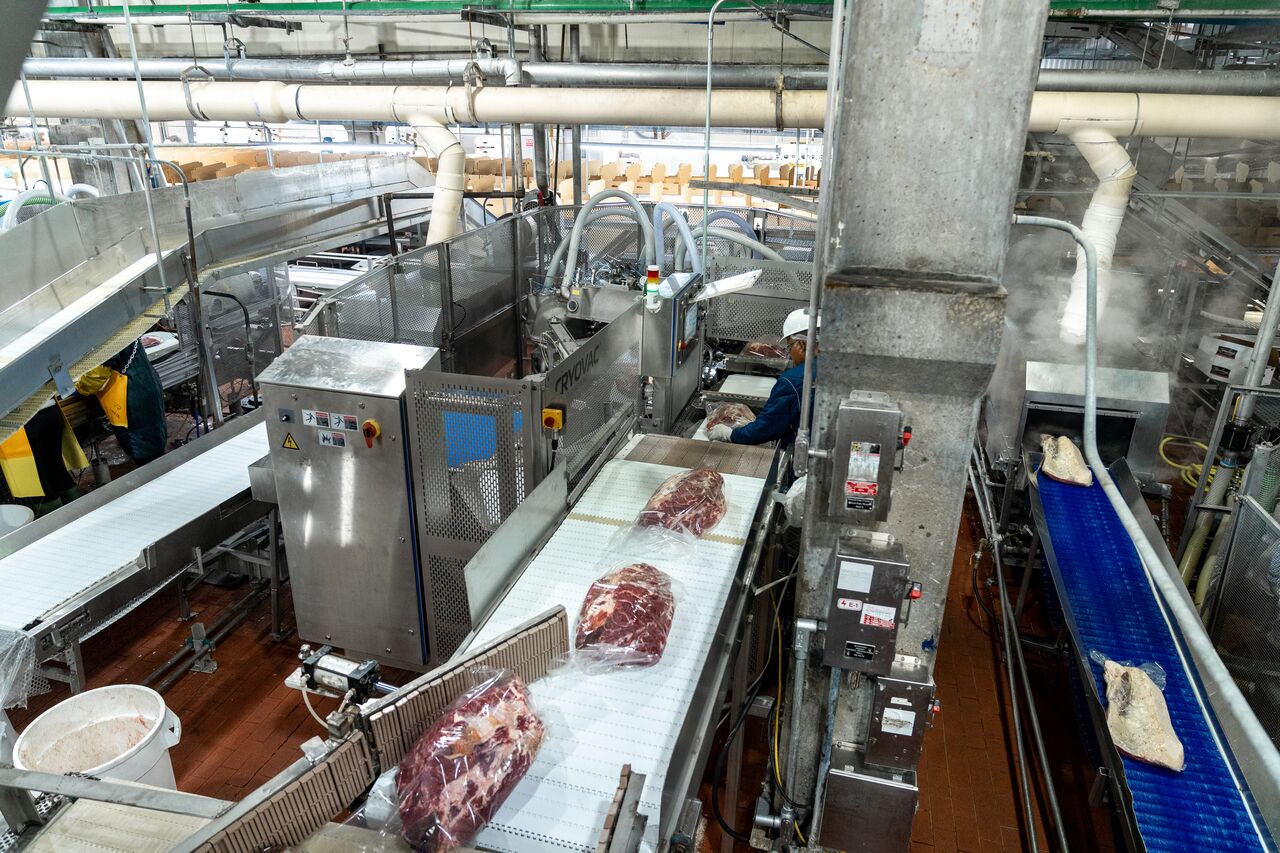
As automation becomes more common in food processing facilities, one misconception continues to surface: that automation exists primarily to replace workers. In reality, most food manufacturers are investing in automation not to eliminate jobs, but to solve ongoing operational challenges and create more sustainable workplaces.
In a work environment facing continued and growing labor shortages, automation is less about reducing headcount and more about improving efficiency, safety, consistency, and employee retention.
Automation Helps Bridge the Labor Gap
Food processing companies across the U.S. continue to struggle with hiring and retaining workers. Repetitive tasks, demanding environments, and increasing production demands have created persistent labor challenges that many facilities simply cannot solve through staffing alone.
Automation helps bridge that gap by taking over repetitive or physically demanding tasks that are difficult to staff consistently. This allows existing employees to focus on higher-value responsibilities that require oversight, decision-making, troubleshooting, and quality control.
Automation Improves Workplace Safety
Food processing environments can be cold, wet, and often involve repetitive motions, heavy lifting, sharp equipment, and fast production speeds. These conditions can contribute to employee fatigue and workplace injuries over time.
Automation can reduce the physical strain associated with these tasks by handling:
- Heavy product movement
- Repetitive packaging functions
- High-speed sorting
- Palletizing and case packing
- Hazardous sanitation environments
Removing human labor from the most physically demanding positions, companies can reduce injuries while creating safer and more sustainable work environments. And safer workplaces help improve employee satisfaction and retention.
Automation and Workforce Development
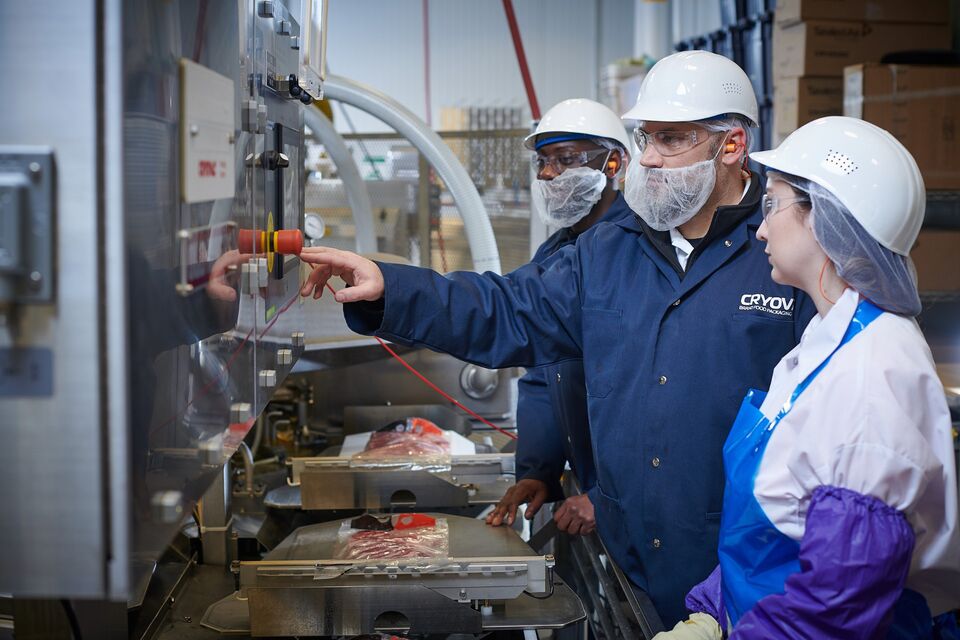
As automation becomes more common in food processing and manufacturing, many companies are recognizing that technology alone is not enough to improve operations. Automated systems still require skilled employees to monitor performance, troubleshoot problems, perform maintenance, and optimize production.
To meet that need, manufacturers are increasingly offering on-the-job training, certification programs, apprenticeships, and technical education partnerships that allow workers to build new skills while remaining employed.
These programs commonly focus on areas such as:
- Equipment troubleshooting
- Preventive maintenance
- Robotics operation
- PLC and HMI systems
- Electrical and mechanical systems
- Food safety and quality monitoring
- Production data analysis
Re-trained employees who previously worked in entry-level production positions can often advance into roles such as automation technician, maintenance specialist, line operator, or quality control technician. This transition benefits both the company and the employee, creating a workforce that is better prepared for the future of manufacturing while strengthening plant operations at the same time.
Conclusion
Even in highly automated facilities, people remain at the center of food processing operations. Automation cannot replace human judgment, adaptability, problem-solving, or leadership. In food processing, automation helps give workers better tools, opportunities for advancement, improves workplace conditions, and helps facilities operate more efficiently in an increasingly demanding industry.



Connect With Us
Get answers to common questions about our company, products, services, and beyond by filling out the form below. A dedicated representative will contact you soon to better understand and address your specific needs..
Your Details