



The Many Challenges of Verifying Plastic Recycling
Plastic packaging is everywhere because it’s lightweight, durable, and inexpensive. Many types can be recycled, but making sure packaging actually gets recycled is trickier than it sounds.
Why It’s Hard
Mixed and Messy Inputs: Plastics are made from a variety of resins, and come in lots of different colors, shapes, and contamination levels (food, labels, adhesives), which makes consistent recycling difficult.
Complex Packaging Structures: Multi‑layer pouches, coatings, and bonded materials often can’t be separated or processed by standard recycling systems.
Additives: Colorants, plasticizers, flame retardants, and other additives can spoil a recycling batch or create safety concerns.
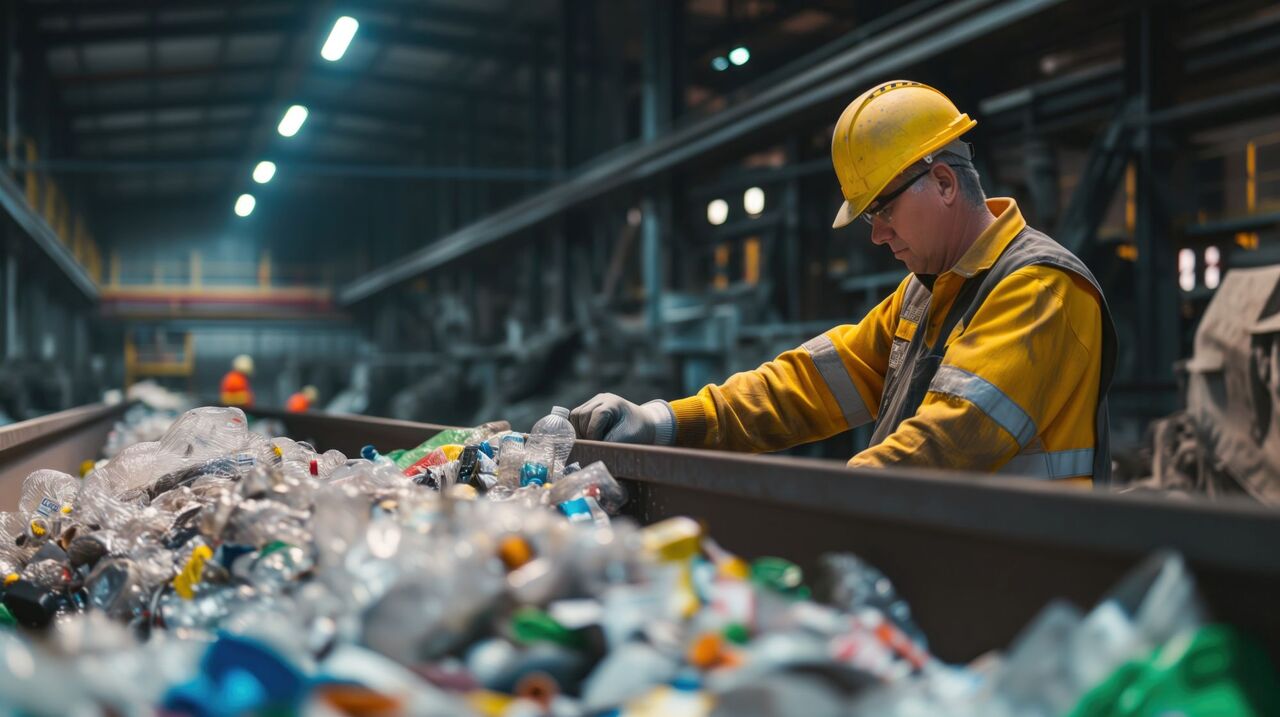
Sorting Limits: Optical sorters in recycling facilities struggle with dark plastics, small items, certain films, and printed surfaces, so some materials never get separated correctly.
Material Breakdown: Plastics can break down from heat when cooking, sunlight, or use, so it may not perform the same as virgin resin in a recycling system.
Location Variables: Recycling infrastructure and rules vary by region. Something marked “recyclable” may not be processed locally.
Lack of Standardization: Different labs and regions use different tests and acceptance criteria, so recyclability claims aren’t always comparable.
What Makes Verification Reliable
Trustworthy verification needs good testing, clear standards, traceable documentation, and alignment with local collection and processing systems. Having a packaging partner with in‑house testing speeds this up and makes results directly actionable — faster than sending samples to outside labs.
Key capabilities to look for in a recyclability testing partner:
| TEST / CAPABILITY | PURPOSE |
| Polymer ID | Confirm material type and surface contaminants |
| Thermal Checks | How the plastic behaves with heat (processing and stability) |
| Melt Flow/Rheology | How the melted resin will process |
| Density & Sink/Float | Predicts how items sort in flotation systems |
| Optical/NIR Compatibility | Whether machines can see and sort the material |
| Contaminant Screening | Finds problematic chemicals, additives or materials |
| Mechanical Performance | Strength, sealability, barrier function after recycling |
| Simulated Wash & Food‑Contact Checks | Cleanliness and safety for food use where needed |
| Reprocessing Trials | Extrusion and regrind tests, color and odor checks after multiple cycles |
| Composite/Assembly Evaluation | How labels, inks, and laminates affect recyclability |
| Custom, Stream‑Specific Protocols | Tests matched to curbside, deposit, film streams, regional systems |
| Standards & Traceability | Use of recognized methods, clear reports, and chain‑of‑custody |
| Fast Turnaround & Technical Support | Quick results and actionable recommendations |
The Bottom Line
Choosing a packaging partner with in‑house testing helps streamline the process toward validated recycling claims and produce materials that work in real recycling systems. With a proven commitment to responsible environmental claims, Sealed Air’s global R&D centers provide these capabilities, and more, to help turn sustainability goals into verifiable results.
Schedule a consult with us today!

Connect With Us
Get answers to common questions about our company, products, services, and beyond by filling out the form below. A dedicated representative will contact you soon to better understand and address your specific needs..
Your Details