
Linkedin
youtube

Country

Select Country

Choose your country

  • Afghanistan

  • Aland Islands

  • Albania

  • Algeria

  • America (USA)

  • Angola

  • Antigua and Barbuda

  • Argentina

  • Australia

  • Austria

  • Azerbaijan

  • Bahamas

  • Bahrain

  • Bangladesh

  • Barbados

  • Belarus

  • Belgium

  • Belize

  • Benin

  • Bhutan

  • Bolivia

  • Bosnia and Herzegovina

  • Botswana

  • Brazil

  • Bulgaria

  • Burkina Faso

  • Burundi

  • Cabo Verde

  • Cambodia

  • Cameroon

  • Canada

  • Cape Verde

  • Central African Republic

  • Chad

  • Chile

  • China

  • Colombia

  • Comoros

  • Costa Rica

  • Croatia

  • Cyprus

  • Czech Republic

  • Côte d’Ivoire

  • Democratic Republic of the Congo

  • Denmark

  • Djibouti

  • Dominica

  • Dominican Republic

  • Ecuador

  • Egypt

  • El Salvador

  • Equatorial Guinea

  • Eritrea

  • Estonia

  • Eswatini

  • Ethiopia

  • Finland

  • France

  • Gabon

  • Gambia

  • Georgia

  • Germany

  • Ghana

  • Greece

  • Greenland

  • Grenada

  • Guatemala

  • Guinea

  • Guinea-Bissau

  • Guyana

  • Haiti

  • Honduras

  • Hong Kong

  • Hungary

  • Iceland

  • India

  • Indonesia

  • Ireland

  • Isle of Man

  • Israel

  • Italy

  • Ivory Coast

  • Jamaica

  • Japan

  • Jordan

  • Kazakhstan

  • Kenya

  • Kiribati

  • Kosovo

  • Kuwait

  • Kyrgyzstan

  • Laos

  • Latvia

  • Lebanon

  • Lesotho

  • Liberia

  • Libya

  • Liechtenstein

  • Lithuania

  • Luxembourg

  • Madagascar

  • Malawi

  • Malaysia

  • Maldives

  • Mali

  • Malta

  • Marshall Islands

  • Mauritania

  • Mauritius

  • Mexico

  • Micronesia

  • Moldova

  • Monaco

  • Mongolia

  • Montenegro

  • Morocco

  • Mozambique

  • Myanmar

  • Namibia

  • Nauru

  • Nepal

  • Netherlands

  • New Zealand

  • Nicaragua

  • Niger

  • Nigeria

  • North Macedonia

  • Norway

  • Oman

  • Pakistan

  • Palau

  • Palestine

  • Panama

  • Papua New Guinea

  • Paraguay

  • Peru

  • Philippines

  • Poland

  • Portugal

  • Qatar

  • Republic of the Congo

  • Romania

  • Russia

  • Rwanda

  • Saint Kitts and Nevis

  • Saint Lucia

  • Saint Vincent and the Grenadines

  • Samoa

  • Sao Tome and Principe

  • Saudi Arabia

  • Senegal

  • Serbia

  • Seychelles

  • Sierra Leone

  • Singapore

  • Slovakia

  • Slovenia

  • Solomon Islands

  • Somalia

  • South Africa

  • South Korea

  • South Sudan

  • Spain

  • Sri Lanka

  • Sudan

  • Suriname

  • Sweden

  • Switzerland

  • Syria

  • Taiwan

  • Tajikistan

  • Tanzania

  • Thailand

  • Timor-Leste

  • Togo

  • Tonga

  • Trinidad and Tobago

  • Tunisia

  • Turkey

  • Turkmenistan

  • Tuvalu

  • Türkiye

  • Uganda

  • Ukraine

  • United Arab Emirates

  • United Kingdom

  • Uruguay

  • Uzbekistan

  • Vanuatu

  • Vatican City

  • Venezuela

  • Vietnam

  • Zambia

  • Zimbabwe

Select Language

Choose your language

  • Select a country first

Home Resources Blogs Package Designs That Drive Change

Package Designs That Drive Change

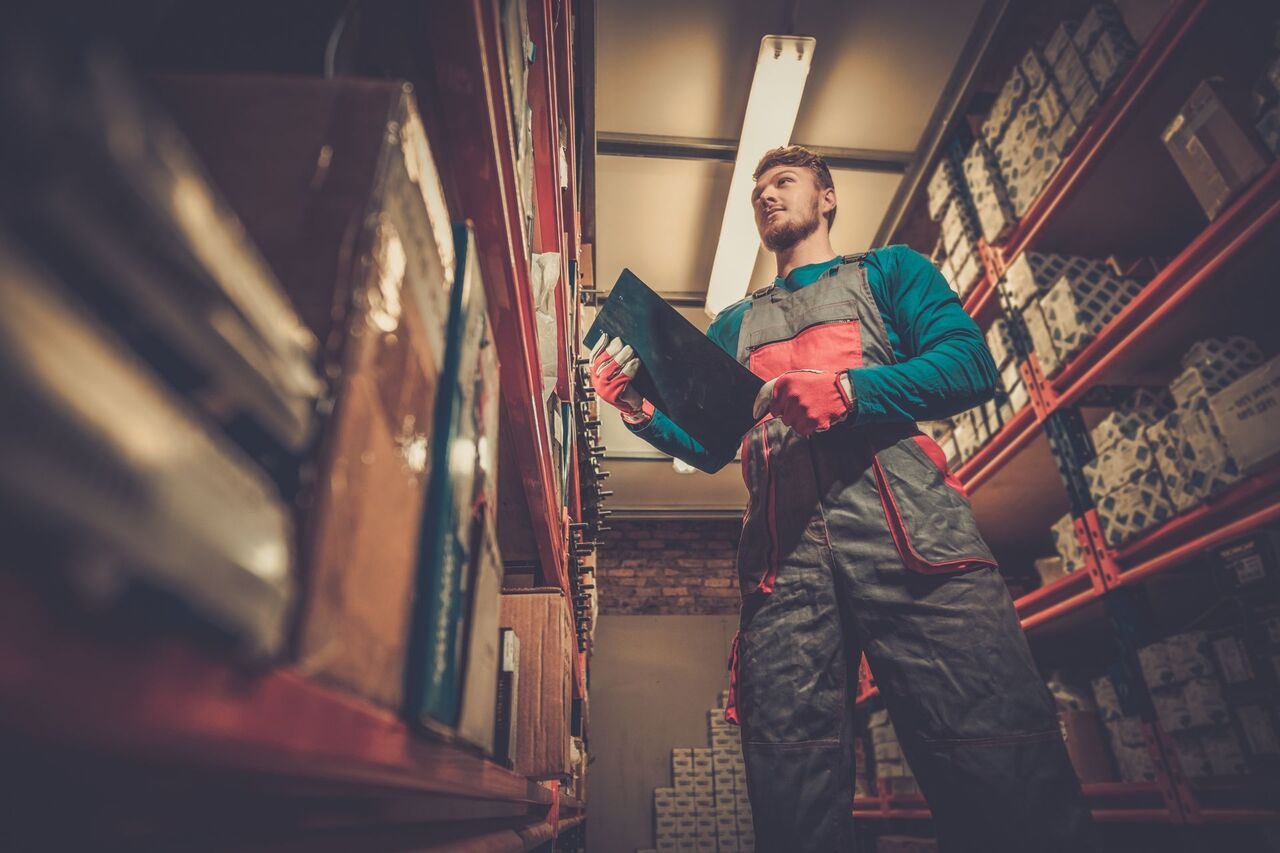
Automotive-warehouse-employee-selecting-autoparts-in-varying-packaging

In the global automotive industry, when considering packaging, you typically start with two main options: reusable packaging for Original Equipment Manufacturer (OEM) assembly, which includes custom-built, durable containers and dunnage requiring a sophisticated return logistics programme, and expendable packaging for aftermarket parts, such as single-use, one-size-fits-most boxes or mailers filled with protective cushioning or bracing.

The automotive service market has shown remarkable resilience in recent years. For parts manufacturers and distributors, this is encouraging news. Understanding the factors driving this growth could offer valuable insights into what is or isn’t working in your packaging strategy.
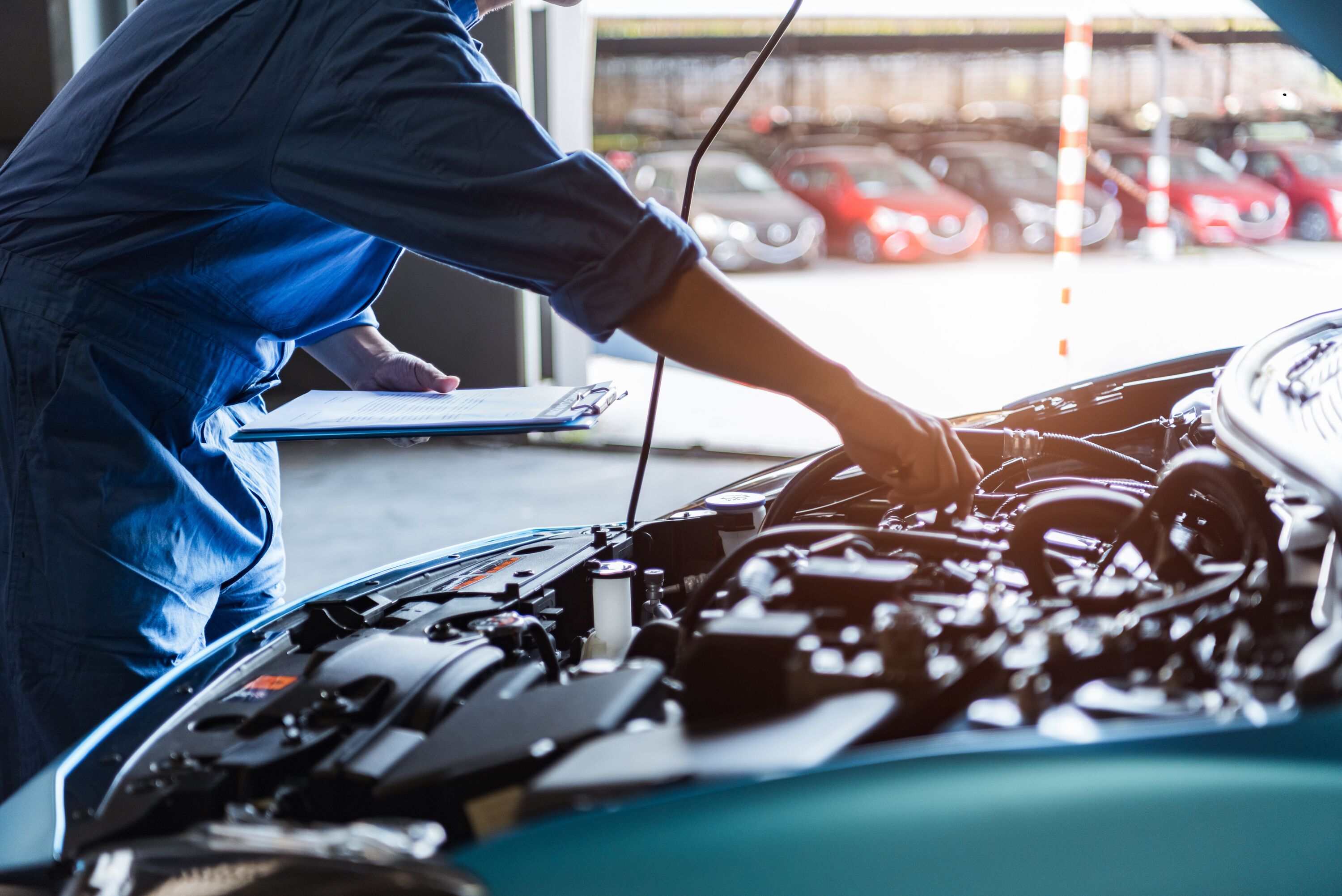
Automotive Packaging Solutions

Material shortages and rising raw material costs

The scarcity of materials and steep increases in raw material prices have led to a decline in new light vehicle sales. While sales of petrol hybrids and electric vehicles are growing year-on-year, overall volumes remain low. This has resulted in more drivers opting to keep their current vehicles, including older ones, on the road for longer than originally planned. This trend is further amplified by the rising cost of fuel, which impacts consumer budgets.

green-numbers-01

Shifts in travel preferences

Environmental concerns are increasingly shaping travel choices. More people are rethinking long-distance air travel and opting for shorter journeys by car or other lower-impact means. This has led to increased use of personal vehicles or fleet rentals for road trips, boating, camping, and other activities within driving distance of home. This shift has driven demand for parts related to recreation and towing, as well as the need for quick and reliable on-the-road repairs.

green-numbers-02

The rise of E-commerce

E-commerce is now central to the automotive industry, transforming how manufacturers, shippers, distributors, retailers, and consumers connect. Many now purchase parts online with a ship-to-store option, making it easier to get supplies for home repairs. This shift increases the importance of reliable shipping and strong packaging to protect aftermarket parts and ensure smooth DIY maintenance for customers.

green-numbers-03

Challenges in just-in-time manufacturing

Labour shortages, rising costs, production slowdowns, and supply chain constraints have disrupted just-in-time manufacturing, making parts delivery more unpredictable than ever. At a time when mobility is more critical than ever, delays caused by damaged parts in transit can prevent customers from getting back on the road quickly, potentially harming your brand’s reputation and customer loyalty.

green-numbers-04

Focus on sustainability and ESG goals

As corporations strive to improve their environmental, social, and governance (ESG) metrics, sustainability discussions are increasingly centred on achieving net zero emissions. Packaging designed to prevent damage plays a vital role in reducing carbon footprints. When a part is damaged during transit, not only are repairs delayed, but additional resources are required for return shipping and replacement, doubling the environmental impact.

green-numbers-05

Seize the opportunity to optimise your packaging

When market conditions are in your favour, it’s the perfect time to evaluate how improvements in packaging could further enhance your success. Are you ready to take the next step in your packaging strategy?

We’re here to help. Contact Sealed Air today to learn more.

Damaged_Product_Consumer_Reaction
Blog

The Environmental Impact of Damaged Products

The resources used to manufacture a replacement, ship the replacement to the consumer, and return the broken product can more than double a product’s sustainability impact.

cta-paatern-bg

Get Started With Sealed Air

Thank you for reaching out. We’ve received your information and will respond shortly. We appreciate your interest in Sealed Air.